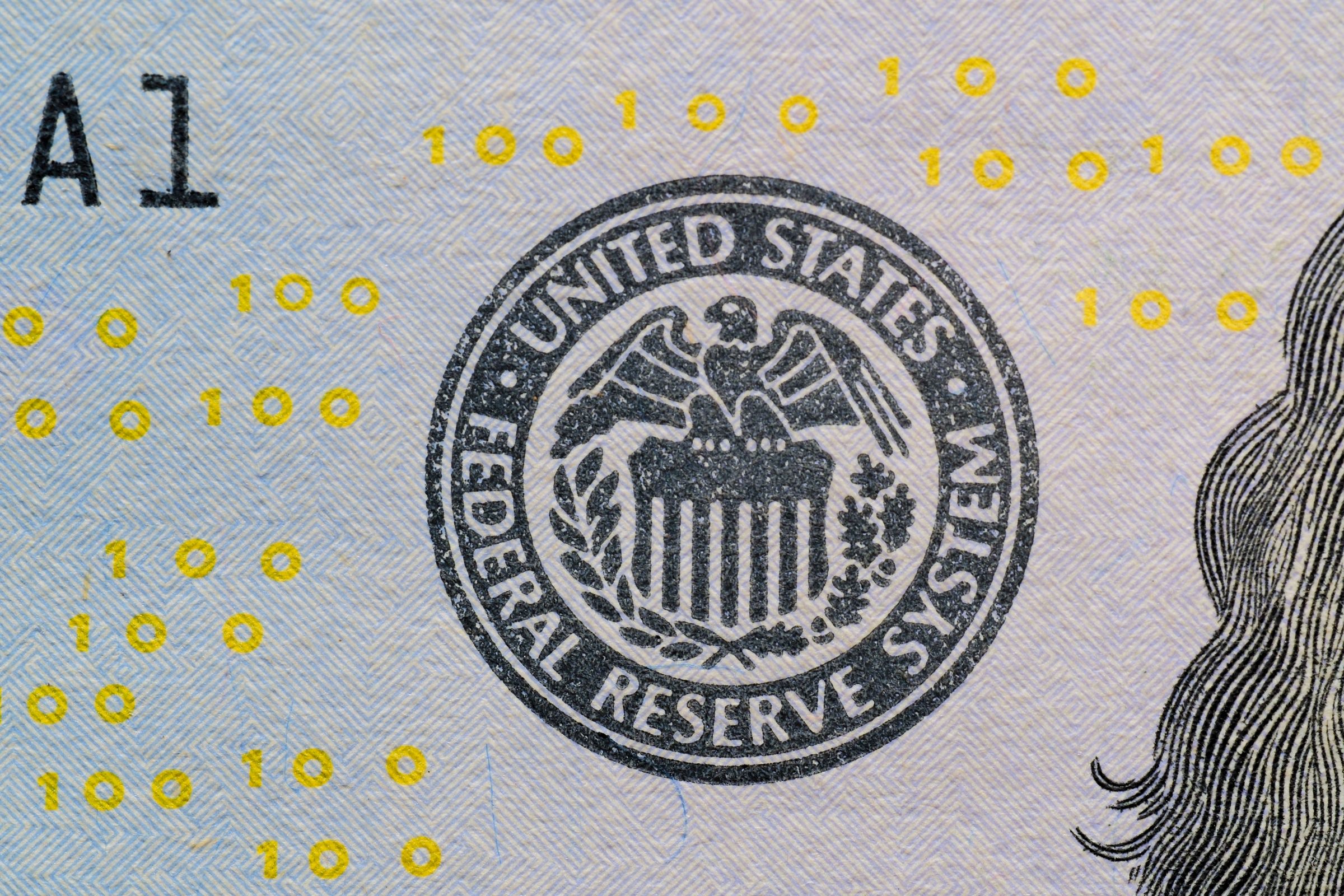
The Federal Reserve’s September meeting minutes confirmed a committee fully aligned behind higher borrowing costs, and currency markets responded with only modest movement. All 19 Fed officials backed the most recent interest rate increase, the account of the gathering showed, while most participants judged that a further hike in 2026 would probably be appropriate. The EUR/USD pair edged up slightly after publication before giving back part of the gain, settling in a stabilisation around 1.12 following its recent decline, with no significant rise in volatility.
For investors, the document offered a detailed read on the economic fundamentals underpinning monetary policy. The picture is one of resilient demand colliding with sticky inflation. The Fed assessed that the US economy continues to grow at a solid pace despite the gradual cooling of the labour market. Consumer spending and private investment remain relatively vigorous, and available indicators suggest domestic demand growth accelerated in the first half of the year and continued to outpace overall GDP growth. Business investment tied to artificial intelligence has been particularly strong, also boosting imports of high-tech capital equipment.
Several Fed officials noted that the scale of AI-related investment continues to surprise on the upside, which could support economic activity and investment demand. That observation matters for market participants assessing the durability of US growth and, by extension, the trajectory of rates. Several participants also judged that underlying momentum in the American economy was stronger than expected, and many officials said the rate increase was justified from a risk-management standpoint, notably given persistent inflationary pressures.
The labour market, while less dynamic than before, was not read as a source of alarm. The unemployment rate fell to 4.1% in July and August, but nonfarm payrolls growth slowed markedly, and wage and labour cost increases remained below levels recorded a year earlier. The Fed does not appear to view this as a sharp deterioration in employment conditions, but rather as a continuation of normalisation after an earlier period of very strong labour market growth. Participants generally expected labour market conditions to remain stable.
Inflation remains the central concern, and it is here that the minutes carry the greatest weight for rate expectations. The Fed estimated that inflation measured by the PCE index stood at about 3.3% year on year in August, while core PCE inflation stayed close to 3.4%. Price pressures were driven mainly by rising goods prices linked to tariffs, energy costs and geopolitical tensions, as well as increased technology-related spending tied to the expansion of AI infrastructure.
Several officials also noted that the current level of interest rates is no longer restrictive, or only moderately so. That assessment frames the policy debate ahead: with the economy resilient and inflation clearly above target, the committee sees justification for a prudent and restrictive approach to monetary policy. The overall evaluation remains relatively positive, with activity and investment showing resilience and the labour market cooling progressively, but inflation staying well above the objective.
The market reaction reflected the absence of surprises rather than any shift in the rate outlook. The initial uptick in EUR/USD partly faded, and the pair’s stabilisation around 1.12 suggests traders had largely priced in the committee’s consensus. For currency investors, the key takeaway is that the Fed’s collective stance, unanimous on the last hike and majority-supportive of another in 2026, keeps the dollar supported by rate differentials, even as the minutes contained no hawkish shock to trigger a repricing.
Beyond the currency pair, the minutes underline the investment dynamics now shaping the US economic cycle. AI-linked capital spending is lifting both domestic investment and imports of high-tech equipment, reinforcing the growth narrative that several officials flagged as stronger than anticipated. At the same time, technology spending is contributing to price pressures, tying the corporate investment boom directly to the inflation problem the Fed is trying to contain.
For now, markets appear to have absorbed the message without turbulence. The EUR/USD holds near 1.12, the Fed’s assessment of the economy remains comparatively upbeat, and the policy path points toward restraint until inflation convincingly returns to target. Traders and investors will watch upcoming data to see whether the balance between resilient demand and cooling employment shifts in a way that alters the committee’s next decision.