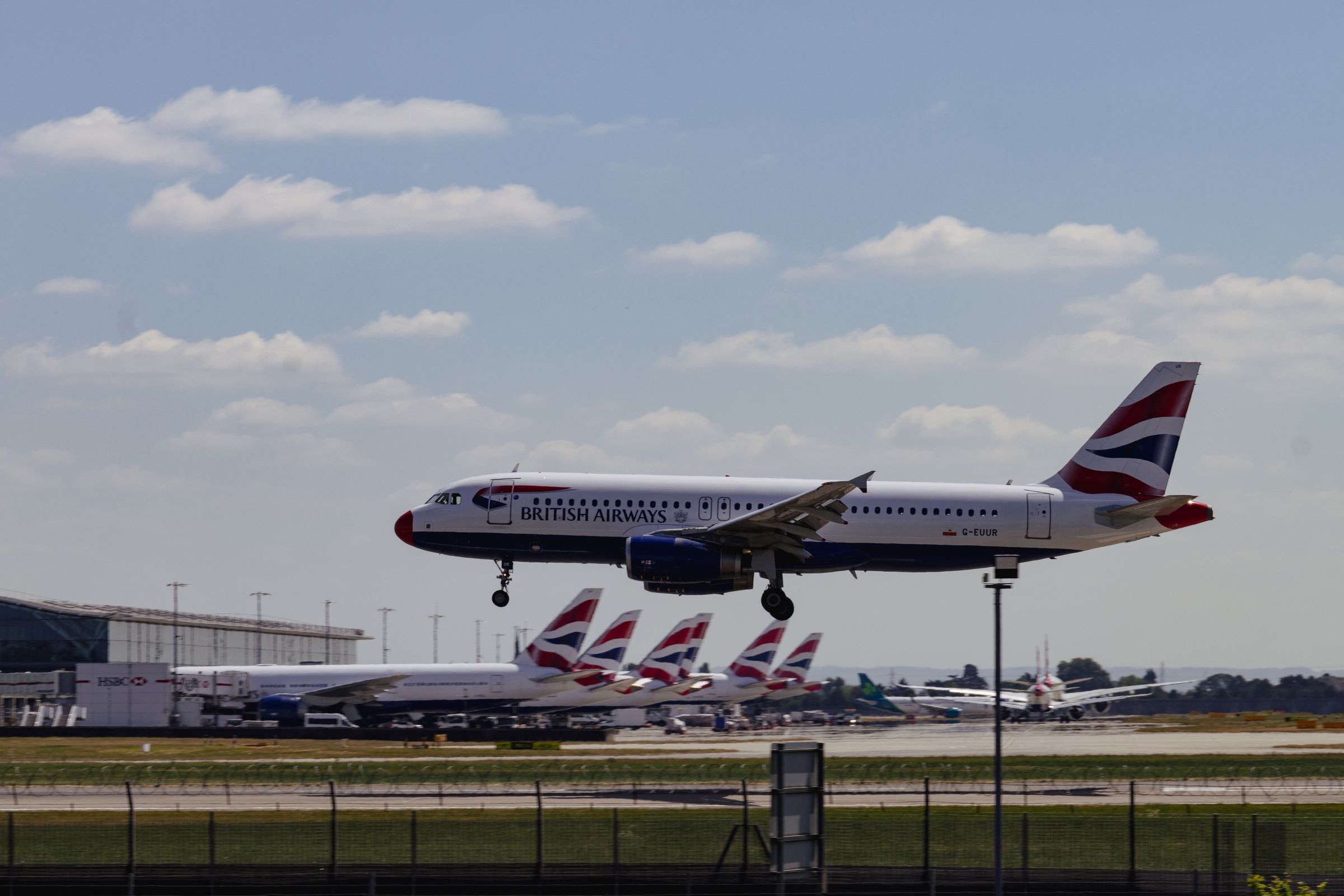
Heathrow’s third runway, a project already slipping on its own timetable, has been thrust back into the political foreground after Chancellor John Healey declared that building it “has always been a case for growth.”
Speaking at the International Monetary Fund in Bangkok, Healey framed airport expansion, including at Heathrow, as “a big part of jobs and growth” in recent decades. “The case for a third runway at Heathrow has always been a case for growth,” he told reporters, adding that the formal position now was that the consultation, led by the Transport Department, was closed. “We’re reviewing those, and then further decisions and announcements will follow.”
His intervention matters because the delivery timeline is under strain. The new runway had been scheduled to open by 2035, subject to plans being submitted and approved, but Heathrow has since suggested a delay of four years to 2039, citing planning and regulatory issues. The airport’s consortium of owners has said it needs explicit backing from Prime Minister Andy Burnham before the end of the year to proceed.
That backing is not yet visible. Burnham has been more sceptical, telling the BBC last month that the runway was “a matter for London and Londoners”. Asked about the project in September, he suggested Londoners’ voices should be heard first, saying it was “not right for me to just jump straight in on the back of the consultation”.
The operators, for their part, are pressing the case. Heathrow’s chief executive Thomas Woldbye warned earlier this week that failing to build a third runway at the UK’s busiest airport would be a “huge missed opportunity”. Speaking to BBC Radio 4’s Today programme, he said it would be “good to know” the government’s position, and that he hoped the prime minister would “come along” with the project. A third runway, he argued, was “not just for Londoners”: benefits would be felt across the country because the airport’s supply chain reaches from the north to the south of the UK.
The operational scale of what is being proposed is considerable. Heathrow currently serves more than 80 million travellers a year through four passenger terminals and two runways, with flights capped at 480,000 annually. A third runway would lift that cap to 720,000 flights, nearly 2,000 a day on average. The project carries an estimated price tag of £33bn and would require hundreds of homes to be demolished, rivers to be diverted, and the M25 motorway to be rerouted through a tunnel between junctions 14 and 15.
Meanwhile, the Department for Transport, which ran the public consultation on its National Policy Statement, the basis for deciding whether to grant a new runway, has said only that it is “considering the appropriate next steps”.
The runway has been debated for decades and faces opposition from residents, politicians and climate campaigners. Healey’s predecessor Rachel Reeves had put the expansion at the centrepiece of an argument that Britain was open for business, announcing the government-backed scheme last year with the words that “a third runway is badly needed” and that the government could not “duck the decision any longer”.
With the consultation closed, the owners waiting on explicit endorsement, and the opening date already drifting from 2035 to 2039, the gap between political statements and actual delivery remains the central question. Full coverage of the exchange is available at https://www.bbc.co.uk/news/articles/cw0k07d2nj43o.