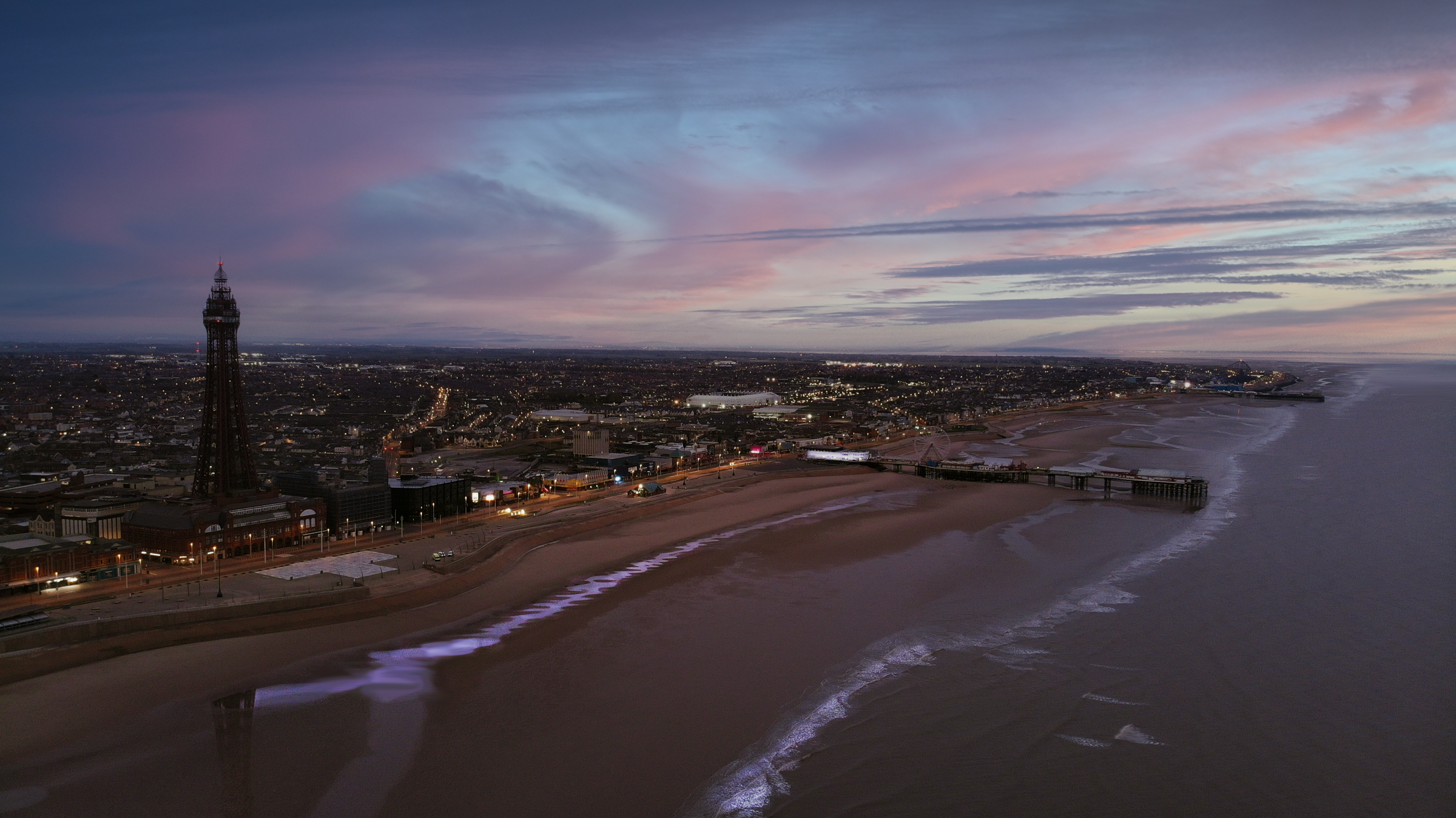
Blackpool, Milton Keynes, Sheffield and Wrexham have been shortlisted for the UK City of Culture 2029 title, a competition whose financial stakes are now firmly on the table. Each of the four contenders will receive at least £125,000 from the government to develop its bid. The eventual winner will secure £10m to stage a year of cultural events and activities built on its “local strengths and stories”.
The prize money sits at the heart of what the title represents. Awarded every four years, the designation has previously gone to Derry-Londonderry, Hull, Coventry and Bradford, and the 2029 holder will be the fifth. The winning location will be announced in May, chosen from the shortlist of four after a longlist of nine that also included Inverness, Ipswich, Middlesbrough, Portsmouth and Swindon. Three of the finalists are in England and one is in Wales.
For the bidding councils, the shortlist represents both a public endorsement and an investment case. Culture Secretary Lisa Nandy said the shortlisted cities “have shown the pride that exists in their places with the incredible culture on their doorsteps”, framing the contest as recognition of cultural assets that already carry economic weight locally.
Blackpool’s bid leans on a visitor economy with long-established draws: the Blackpool Tower, the Pleasure Beach and the Illuminations, alongside a major dance festival and an annual visit from Strictly Come Dancing. The Showtown museum marks the town’s history as a showbiz and comedy hotspot. Lynn Williams, leader of Blackpool Council, said the town now has “the chance to show the country exactly what our town is made of”, adding that Blackpool “has never been a town that stands still” and that its “proud, working-class culture has always been about bringing people together, having fun and making something happen”.
Milton Keynes, by contrast, pitches a different asset base. Built in the 1960s and 70s, and known for its US-style grid road system and numerous roundabouts, the city describes itself in its bid as “a place where innovation, diversity and creativity thrive side by side”. The offer is anchored by Bletchley Park, the World War II codebreaking centre now operating as a museum, and the National Bowl, an amphitheatre that has hosted concerts by Oasis, Queen and David Bowie. Councillor Jane Carr, leader of Milton Keynes City Council, noted the timing: the city is approaching the 60th anniversary of its founding, giving the bid a landmark year to build on.
Sheffield’s case rests on a manufacturing legacy and a creative economy that has produced national and international returns. The traditional centre of steel and cutlery manufacturing has since become known for musical exports such as the Arctic Monkeys and Pulp, for its annual documentary film festival, and for the Crucible, one of the leading theatres outside London. Its bid highlights “world-renowned creative heritage, as well as our ambitious future plans”. Councillor Fran Belbin, leader of the city council, said: “Sheffield is a city built on creativity, innovation and community spirit… Culture is part of who we are.”
Wrexham, North Wales’s largest city and a powerhouse of the industrial revolution, has already drawn high-profile investment through Wrexham AFC, the historic football club bought by Hollywood actors Ryan Reynolds and Rob McElhenney. Its bid states: “Our ambition is simple but bold: to make Wrexham the world’s most playful place.” Joanna Knight OBE, chair of the Wrecsam2029 bid, said: “There’s a real sense that something very special is happening here. Just imagine what becoming the first Welsh UK City of Culture could mean… the opportunities are enormous.”
With £125,000 now flowing to each shortlisted bid and £10m awaiting the winner, the May announcement will decide which of the four converts its cultural assets into the title’s funding and the profile that comes with it.