Congress takes the reins as Trump faces a lame duck term
Divided government limits presidential power over spending and appointments
Congress now holds the leverage, and Donald Trump knows it. The Republican party’s loss of both the House of Representatives and the Senate in the midterm elections has left the president a lame duck for his final two years in office, handing lawmakers, for the first time in his term, the power to constrain his agenda.
The result has been read less as political drama than as a test of institutions. Holger Schmieding, chief economist at Berenberg, argued that voters had rejected what he described as Trump’s “somewhat authoritarian penchant for crony capitalism,” adding that the outcome “shows that US institutions and its checks and balances work. That is a positive, in my view.”
Yet the checks now in place are partial. Republicans, having lost Congress, will lack the votes to confirm new appointments to critical public bodies, including vacancies on the Federal Reserve’s board of governors. Trump retains veto power over legislation, which can be overridden only if two-thirds of both chambers agree, and he has signalled his willingness to use it, warning that he will become “Mr Veto.” The president conceded the midterm result and acknowledged the impact of the war in Iran, a move markets took as reassuring. Analysts caution, though, that a weakened president at home may behave more aggressively abroad, with the potential to intensify the conflict.
The first institutional test arrives quickly. On 11 December, politicians must agree to authorise government spending to avoid a shutdown. The same gridlock that could block new tax and spending measures cuts two ways: it restricts fiscal stimulus that might boost the economy, but it also limits any further rise in borrowing and debt. Some analysts say the defeats suffered by Maga candidates could damage the president’s authority and open the way to greater cooperation between Republicans and Democrats on Capitol Hill.
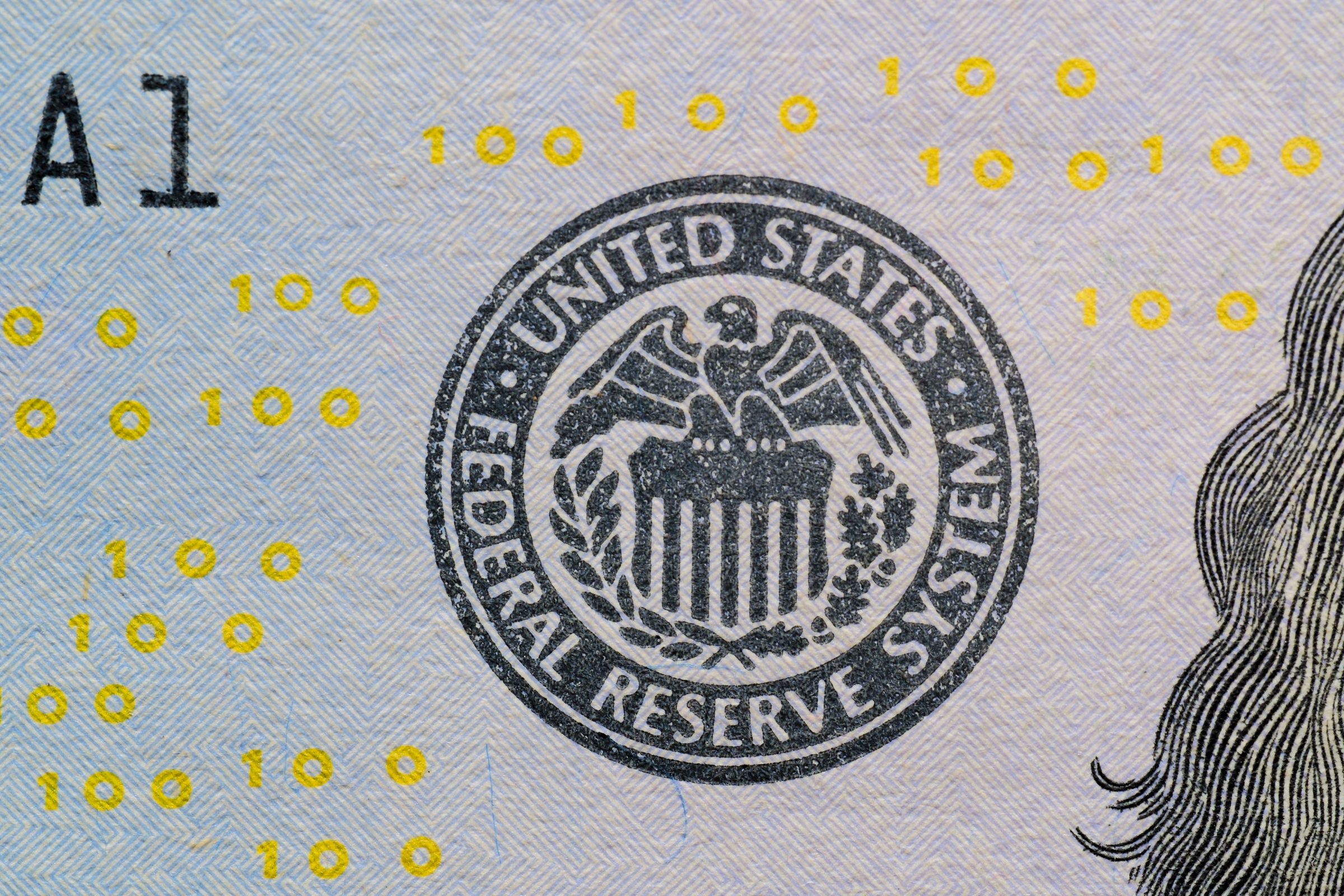
Monetary policy sits at the centre of the accountability question. Higher inflation has forced central banks to raise interest rates, and the US Federal Reserve increased the cost of borrowing for the first time since 2023, defying pressure from Trump. Investors anticipate at least one more increase from the Fed. The Bank of England is expected to raise rates on Thursday, and the European Central Bank is also expected to push up borrowing costs.
The inflation that shaped the election result carries its own governance dimensions. US diesel prices surged to a record high in August, and headline inflation has risen to 3.7%. The US-Israeli invasion of Iran, which led to the closure of the critical Strait of Hormuz, reignited global inflationary pressures amid the biggest energy price shock of the modern age. The cost to US households from that surge, alongside a chaotic tariff policy that devastated small businesses, was key to the midterm outcome.
Meanwhile, oil markets offered some relief on Wednesday. Brent crude fell by as much as 9% to trade below $100 a barrel for the first time in a month, on hopes of a diplomatic breakthrough over Iran. At about $94, the international benchmark remains well above its prewar level of roughly $70. The International Monetary Fund expects global headline inflation to reach 4.7% this year, with energy-importing countries hit hardest. A renewed escalation by Trump would deepen the inflationary shock, though analysts note it would also compound his unpopularity.
Growth prospects now rest heavily on decisions taken by institutions and regulators. Democrats are expected to take a tougher line on artificial intelligence regulation and the datacentre rollout, raising questions about a key driver of stock market growth. Tech industry leaders were already cooling on the AI rollout over cyber risks, and many investors fear a bubble in US equities. Analysts at Allianz argue that the scale of AI investment could make the traditional left-right political playbook less predictable than in the past.
The IMF forecast only last month that US growth would remain stable at 2.3% this year and next, despite the risks from the Iran war and the uncertain path for AI investment. Berenberg analysts take a dimmer view, suggesting growth could slow to about 1.5% in 2028 amid political gridlock, an AI slowdown and the drag from Trump’s crackdown on immigration, leaving the US contributing less to global growth than before. Markets, which fell in early Asian trading before rallying as investors digested the results, will be watching how the newly divided government exercises the power it now holds.
Q&A
What confirmation powers have Republicans lost after the midterms?
With Republicans losing both the House of Representatives and the Senate, they lack the votes to confirm new appointments to critical public bodies, including vacancies on the Federal Reserve's board of governors.
What leverage does the president still retain over Congress?
Trump retains veto power over legislation, which can be overridden only if two-thirds of both chambers agree, and he has warned he will become 'Mr Veto'.
What is the first institutional test for the divided government?
Politicians must agree on 11 December to authorise government spending in order to avoid a shutdown.
How are central banks acting amid the inflation surge?
The US Federal Reserve raised rates for the first time since 2023, defying Trump's pressure, and investors anticipate at least one more increase; the Bank of England and European Central Bank are also expected to raise rates.