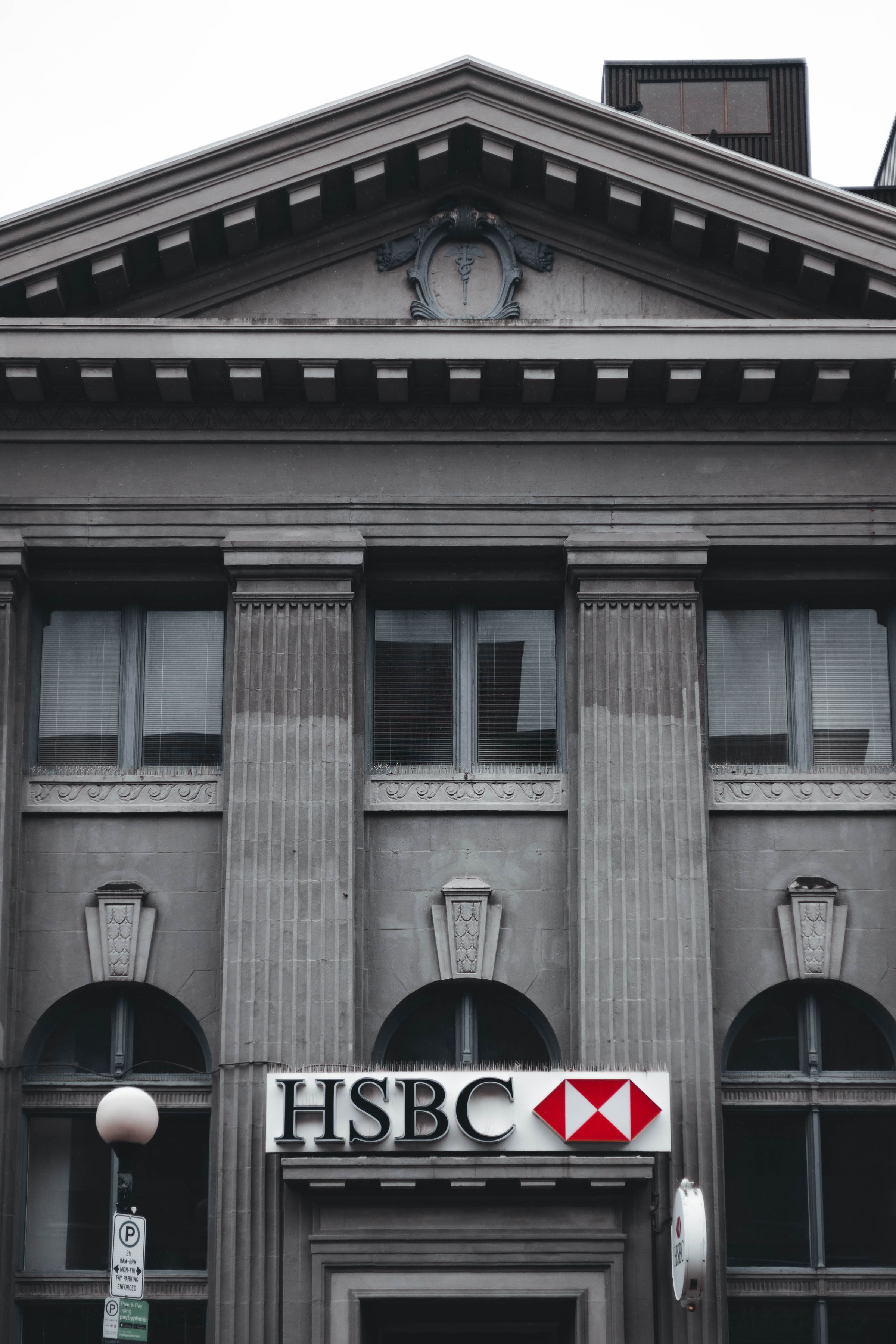
Budget bank tax question puts everyday savers first
HSBC results and tax debate raise questions for savers, mortgage holders and taxpayers
For ordinary UK banking customers and taxpayers, the question hanging over Wednesday’s budget is not really about one company’s headquarters. It is about whether the country’s biggest banks, whose profits have swelled on the back of higher interest rates, will be asked to contribute more at a time when households are grappling with rising mortgage costs. That public question collided on Tuesday with a corporate reassurance, as HSBC moved to shut down speculation that it might quit Britain.
Pam Kaur, HSBC’s chief financial officer, told journalists during a media call that there was “no pressure”, including from shareholders in the bank’s cornerstone Hong Kong market, to move out of London. Lobbyists have warned for months that higher tax bills could push big banks’ business and jobs to rival hubs. “Irrespective of what happens on taxes, we are there to support our customers, and that is what we will do,” Kaur said. “We are very comfortable, we are domiciled in the UK and we remain in the UK. So that question is just not on the table.”
The reassurance came alongside numbers that fuel the tax debate. HSBC reported a 32% rise in third-quarter profits to $9.6bn (£7.2bn), and announced $2.7bn in dividends and buybacks for shareholders. Its net interest income, the gap between what banks charge borrowers and pay savers, rose to $9.3bn from $8.8bn a year earlier. The bank attributed that growth to hedging strategies and deposit growth in Hong Kong, saying UK deposits stayed flat.
That metric sits at the heart of campaigning groups’ case for a bank tax. The Trades Union Congress argues that bank profits have been driven by higher interest rates rather than by the banks’ own improving performance. Paul Nowak, the TUC’s general secretary, said the results showed banks could comfortably shoulder higher taxes. “Some in the finance lobby have tried every which way to stop tax rises in the budget. But these results make it blatantly obvious banks can afford to contribute more.”
Abhijay Sood, an economist at the New Economics Foundation thinktank, framed the profits in terms of what they mean for struggling households, calling them “difficult news to swallow for households struggling with rising mortgage costs”. He argued that banks’ profitability has depended on keeping savings rates low and on a “stealth subsidy from taxpayers via the Bank of England due to quantitative easing”. While welcoming rumours of a bank tax change, he said it was unlikely to go far enough and urged the chancellor to claw back that subsidy and use it to fund inflation-busting investment and keep the essentials of life affordable for ordinary people.
The tax question itself has been building for weeks. The Guardian revealed earlier this month that the chancellor, John Healey, plans to tax Britain’s banks in Wednesday’s budget, and is likely to reverse the previous Conservative government’s cuts to the bank surcharge. A handful of wealthy businesspeople have already said they are leaving the UK, some criticising Labour’s tax policies. The JP Morgan chief executive, Jamie Dimon, has said he could even scrap plans for a new £3bn London headquarters if Britain became “hostile” to banks.
Against that backdrop, Kaur offered broad backing for Healey and the prime minister, Andy Burnham, saying the bank was “very encouraged by the government’s growth agenda” and would “just have to see how businesses and customers react”.
The pressure HSBC is resisting is not hypothetical. The bank has a strong shareholder base in east Asia, where it makes the bulk of its profits, and has twice been pushed to shift or split its operations in response to UK policies. In 2015, growing regulatory burdens and a new bank levy led it to consider moving its headquarters from London to Hong Kong, before the Conservative government scaled the levy back to cover only UK-based assets. In 2022, it faced calls to separate its profitable Asian business from the rest of the group, amid anger that the UK had forced it to cancel its dividend during the first Covid lockdown.
The market reaction to Tuesday’s results was unenthusiastic. HSBC’s UK-listed shares fell 5.4%, costing it its status as the biggest company on the FTSE 100. Kaur speculated that investors may have expected stronger forecasts for net interest income.
For now, the bank insists its home remains Britain, whatever the budget brings. The wider question, for taxpayers and banking customers alike, is whether the chancellor’s answer satisfies them.
Q&A
Why do campaigners say banks should pay more tax?
Campaigners such as the TUC argue big banks' profits have grown because of higher interest rates rather than improved performance, so banks can comfortably afford higher taxes while households face rising mortgage costs.
What did HSBC say about leaving the UK?
Pam Kaur said there was "no pressure", including from Hong Kong shareholders, to move out of London, stressing the bank is domiciled in the UK and will support customers whatever happens on taxes.
What is the chancellor expected to announce?
Chancellor John Healey plans to tax Britain's banks in Wednesday's budget and is likely to reverse the previous Conservative government's cuts to the bank surcharge.
What subsidy do critics want clawed back?
Abhijay Sood of the New Economics Foundation said the profits are difficult news for struggling households, citing a "stealth subsidy from taxpayers via the Bank of England" from quantitative easing, and urged the chancellor to claw it back to fund investment and keep essentials affordable.