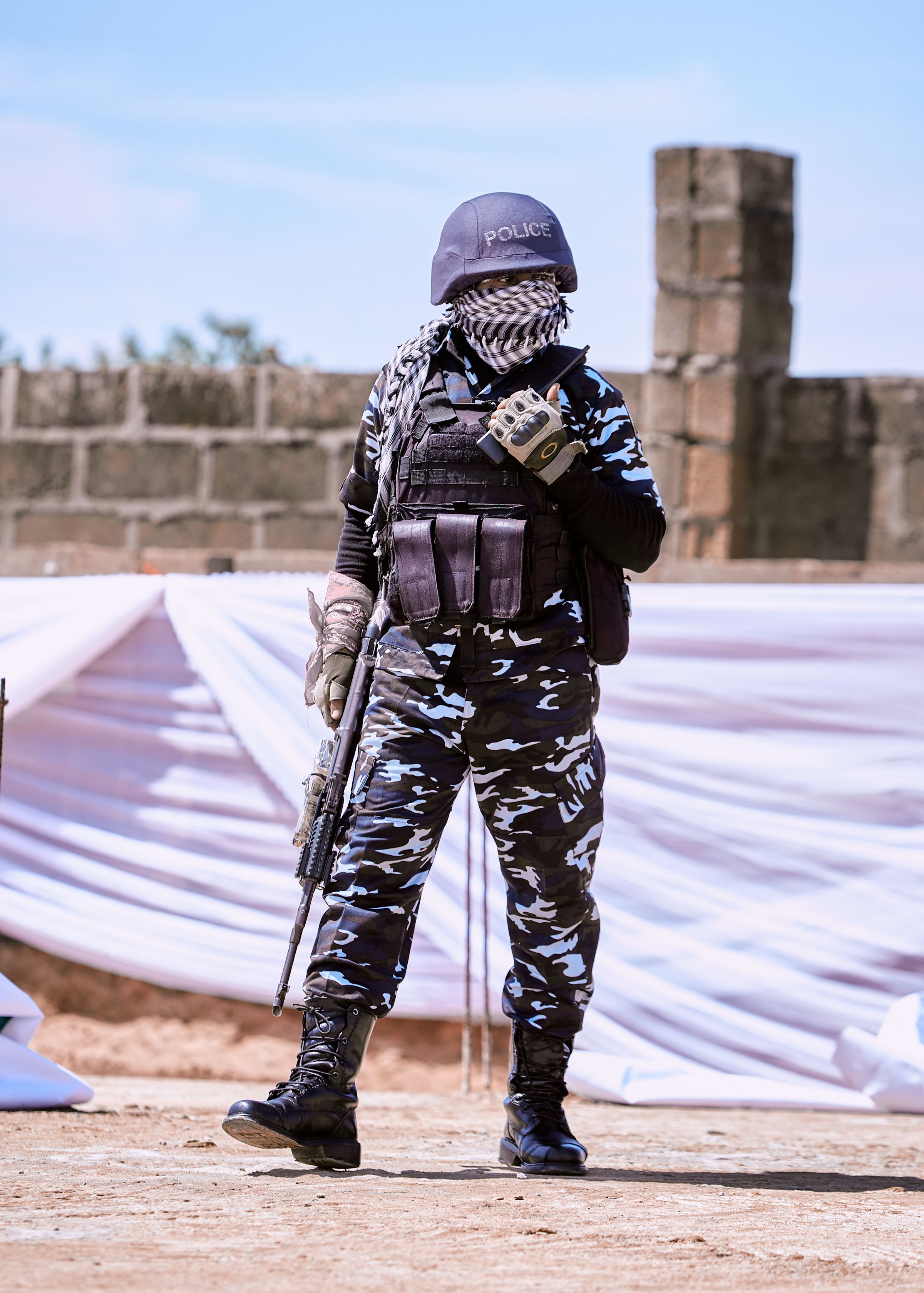
Officers Stretched Thin: What It Means for Public Safety
Memorial day service highlights a police service under growing strain
The safety of the public depends on officers stretched thinner than ever, and that tension sat quietly beneath this year’s National Police Memorial Day service in Belfast, according to the chair of the Police Federation branch in his latest message to members.
Writing a few weeks after attending the annual service, held on 10 November 2026, the chair described the event as a poignant reminder of the unique role police officers play in communities and of their commitment to serving the public. The service honours fallen colleagues, recognises their sacrifice and shows their families that they are never forgotten. For the chair, representing the branch and its members at the ceremony was a privilege.
Among those named on this year’s roll of honour were Cleveland PCs Matthew Blades and Tom Clough. Their deaths carry particular weight for the branch, which was one of the first to respond to requests for mutual aid from the Cleveland Police Federation. The chair said he could personally relate to the devastating aftermath of the two officers’ tragic deaths.
The 2026 service also held special meaning for the West Midlands Police family. Dave Swindells, brother of DC Mick Swindells, who was killed in the line of duty in May 2004, was presented with the Elizabeth Emblem in his memory. The chair welcomed the recognition, saying it was lovely to see Mick honoured in this way, and expressing the hope that it demonstrates to his family that he is remembered, that he remains part of the policing family, and that they too are never forgotten. Readers can find more on the service and on Mick’s family’s thoughts about the Elizabeth Emblem on Pages 16 to 19 of the October/November Federation magazine.
Yet the commemoration unfolded against a difficult backdrop. The chair described a police service in crisis, with the early release of prisoners adding another layer of pressure on officers and forces. The Government is seeking to ease prison overcrowding, but in the chair’s view the solution seems ill thought-out, and he has serious concerns about whether it will work in the medium to long-term. The core problem, he argued, is capacity: the service simply does not have the officer numbers to cope with the extra demand the initiative will generate, and yet officers are expected to do so.
That capacity question matters directly to the communities officers serve. Retention has become a revolving door, with officers leaving the service through one door as fast as new recruits are brought in through another. The chair noted it is not difficult to understand why that is the case.
Meanwhile, the Police Federation’s Copped Enough campaign is intended to convey the realities of policing to those in power. According to the chair, the facts have been presented and the evidence provided, yet he is not convinced the Government gets it. He pointed to the Government’s White Paper on policing, which puts forward plans for force mergers, as an example of the disconnect: even after mergers, there would still be only the same number of officers to go around, and there is no magic way of making them spread further.
Alongside these external pressures, the Federation itself is changing. The Police Federation of England and Wales has embarked on a transformation process aimed at making the organisation more effective. The reform programme has been hailed as the biggest reform in the Federation’s 107-year history and will set out to put members at the heart of everything it does. The chair acknowledged there is much work to be done, but said there is now an acknowledgement from everyone involved that change is critical. There have been failings, he wrote, and lessons have to be learnt, because members deserve the very best representation and the branch is committed to ensuring they get it. Further details of the reform plans appear on Page 6 of the latest magazine, with updates to follow via the website, social media and the magazine itself.
Closer to home, the branch has recently held an election for new workplace representatives, and the successful candidates will soon begin their training. There have also been a number of changes within the office team. The chair closed by reaffirming the branch’s commitment to providing members with the best possible service and support.
Looking ahead, next year’s memorial day service will be held in Wales. The chair encouraged any officer who has not yet attended to consider doing so, calling it one of the most important dates in the policing calendar.
Q&A
Who raised concerns about the state of policing, and where?
The chair of the Police Federation branch, in his latest message to members after attending the annual service held on 10 November 2026 in Belfast.
What pressure on officers does the chair highlight?
The early release of prisoners to ease prison overcrowding, which the chair called ill thought-out given the service lacks the officer numbers to cope with the extra demand.
Who was honoured at the 2026 service?
Cleveland PCs Matthew Blades and Tom Clough were named on the roll of honour, and Dave Swindells received the Elizabeth Emblem in memory of his brother DC Mick Swindells, killed in the line of duty in May 2004.
What is the Copped Enough campaign and what does the chair say about the White Paper?
The Copped Enough campaign conveys the realities of policing to those in power, and the White Paper's force merger plans would still leave only the same number of officers to go around.