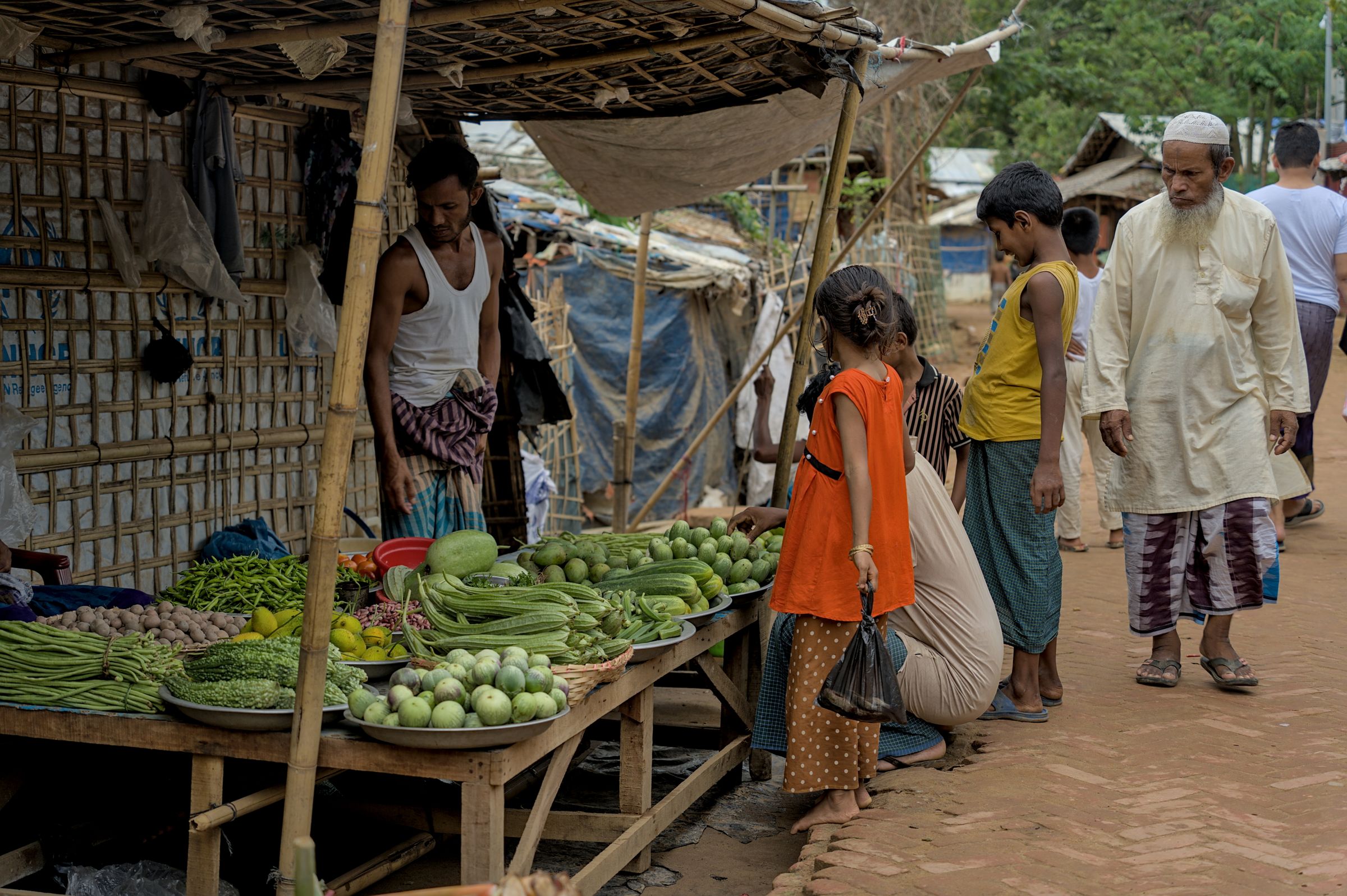
ICJ Genocide Ruling a Turning Point for Rohingya People
Fourteen governments demand Myanmar comply with binding genocide ruling
The International Court of Justice has found that Myanmar breached its obligations under the Genocide Convention, a judgment that fourteen governments describe as a turning point for the Rohingya people, a community that has endured years of violence, displacement and persecution.
The case was brought by The Gambia. In response, the foreign ministers of Australia, Belgium, Canada, Cyprus, the Czech Republic, Estonia, Iceland, Latvia, Luxembourg, New Zealand, Portugal, Spain, The Gambia and the United Kingdom issued a joint statement acknowledging the decision. For the communities directly affected, the ruling carries weight beyond legal technicality: it establishes, at the highest level of international law, that the suffering inflicted on the Rohingya cannot be dismissed or denied.
The ministers were clear about what the decision means in practice. They underscored that the Court’s judgment is binding upon Myanmar, and they called on the country to comply fully with its obligations under international law, including the Court’s decision. That emphasis on compliance matters for anyone watching whether the ruling will translate into real protection on the ground. A judgment only safeguards people if the state concerned honours it.
In their statement, the ministers framed the ruling as an important step toward accountability and justice for Rohingya victims and survivors, and for all those affected by the ongoing atrocities being committed in Myanmar. The language is deliberate. It acknowledges that atrocities described as ongoing remain part of the current reality, not merely a chapter of the past, and it places the Court’s decision in the context of harm that continues to demand a response.
The history the ministers summarize is stark. The Rohingya have endured years of appalling violence, displacement and persecution, a record that gives the judgment its human significance. For a people driven from their homes and stripped of safety, an international finding that their treatment violated the Genocide Convention is a form of official recognition that their ordeal was not suffered in vain.
The ruling, the ministers said, sends a clear message that such acts cannot be committed with impunity. That principle sits at the heart of why the decision resonates beyond the courtroom: it affirms that international law exists to protect people from the gravest abuses, and that no state is exempt from that protection.
Meanwhile, the statement points toward what must come next. Creating conditions for the voluntary, safe, dignified and sustainable return of Rohingya refugees to Myanmar is essential, the ministers wrote. Each of those four conditions carries its own weight for displaced families weighing whether return is possible. Voluntary means no coercion. Safe and dignified means protection from the persecution that drove people out. Sustainable means a future that holds, not a temporary reprieve. Whether those conditions are met will determine whether refugees can realistically go home.
The ministers also looked beyond the Rohingya case to Myanmar’s population as a whole. They pledged to remain steadfast in their support for the victims and survivors of the atrocities committed against Rohingyas, and for all of the people of Myanmar and their pursuit of a peaceful, democratic and inclusive future. That broader commitment connects the specific question of justice for the Rohingya with the wider aspirations of a country whose people have lived through prolonged turmoil.
Taken together, the joint statement does three things at once. It records that the International Court of Justice found Myanmar in violation of the Genocide Convention in the case brought by The Gambia. It demands full compliance with a judgment that is binding. And it commits fourteen governments to standing with victims, survivors and the Myanmar people as they seek peace, democracy and inclusion.
For the Rohingya, and for all those affected by the atrocities described as ongoing in Myanmar, the ruling and the united response to it represent the most concrete international acknowledgment yet that their suffering has been formally recognized, and that the path to justice, however long, is now formally open. The question that remains is whether Myanmar will honour a binding judgment, and whether the conditions for a safe return will ever be met.
Q&A
What did the International Court of Justice find?
It found that Myanmar breached its obligations under the Genocide Convention, in a case brought by The Gambia.
Which governments issued the joint statement?
Australia, Belgium, Canada, Cyprus, the Czech Republic, Estonia, Iceland, Latvia, Luxembourg, New Zealand, Portugal, Spain, The Gambia and the United Kingdom, fourteen governments in total.
What conditions do the ministers set for the return of Rohingya refugees?
Return must be voluntary (no coercion), safe and dignified (protection from the persecution that drove people out), and sustainable (a future that holds, not a temporary reprieve).
What remains unresolved after the ruling?
Whether Myanmar will honour the binding judgment, and whether the conditions for the safe return of refugees will ever be met.