Tanker Attacks Near Hormuz Disrupt Energy Shipments
Shipping surcharges and output halts as tanker strikes hit energy flows
Attacks on tankers near the strait of Hormuz hit their highest weekly total since the US and Israel began their war on Iran on 28 February, and the consequences showed up immediately in the physical movement of energy. At least 12 attacks struck oil, liquefied natural gas and liquefied petroleum gas tankers in the week to 5 October. On Wednesday a tanker was hit multiple times near Qatar, with reports of casualties.
Brent crude climbed $2.62 to $102.8 a barrel, up 2.6%, and later pushed above $104, its highest level in a week. Arne Lohman Rasmussen, chief analyst at Global Risk Management, told Reuters the strike was the first attack inside the Gulf for some time and marked a new escalation, adding that for the LNG market the attack’s proximity to Qatar was particularly concerning.
European gas prices rose to their highest levels in more than two weeks as hopes of additional LNG shipments were crushed. The benchmark Dutch contract climbed nearly 3% to €80.39 per megawatt hour, its first time above €80 since 21 September, while the British front-month contract rose 3.1% to 199.69p per therm and briefly crossed 200p for the first time since the same date. Cooler weather in northern Europe is expected to lift demand further. The Atlantic reported that the White House has asked the Pentagon to draw up options on strikes against Iran before the US midterm elections, a further threat to Middle East oil supplies in the eighth month of the war.
Meanwhile, US producers have begun halting output and evacuating workers in the Gulf of Mexico as tropical storm Isaias approaches and is expected to become the first hurricane of the belated Atlantic season. Shell and Chevron both said they were shutting down production.
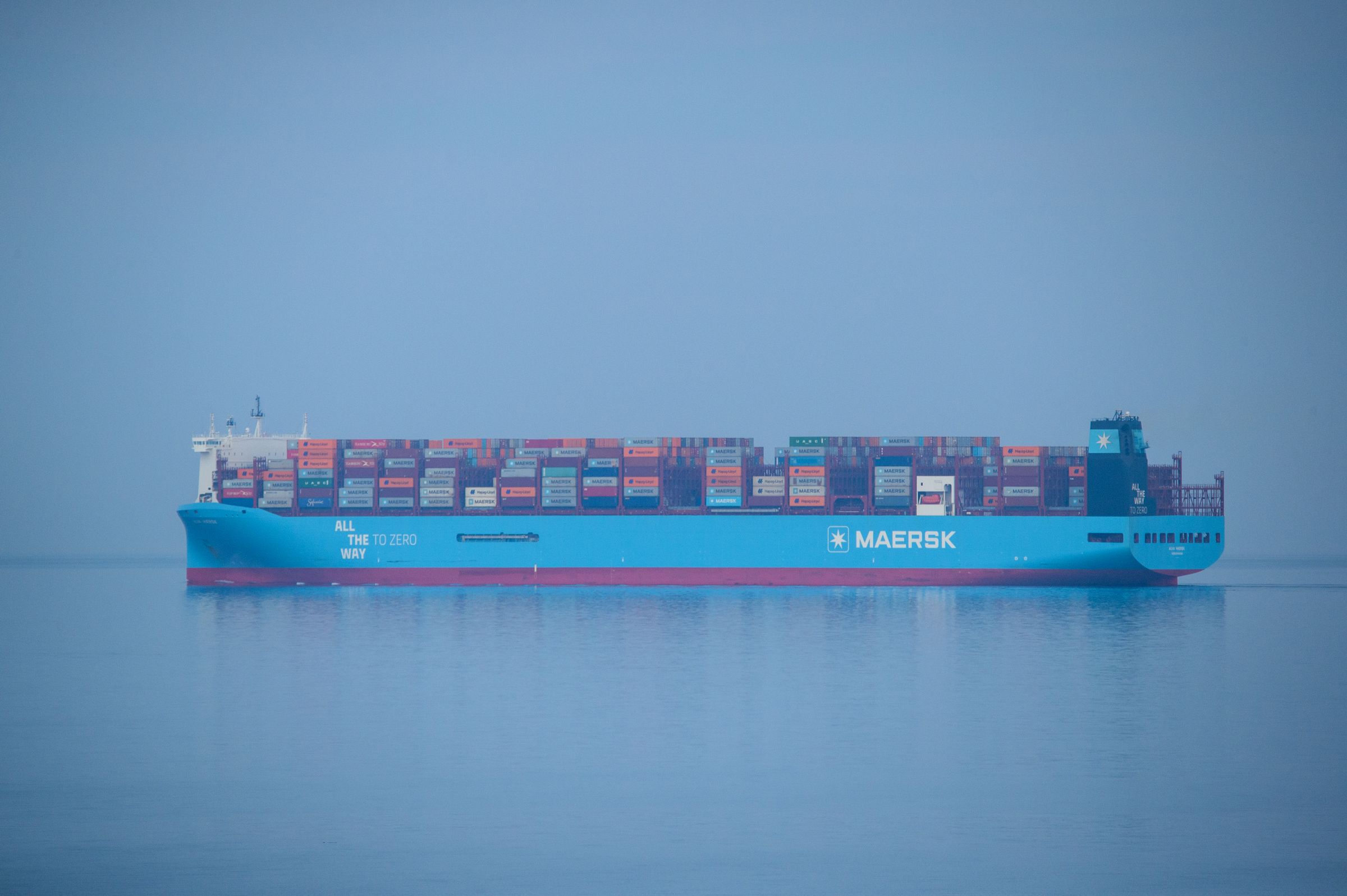
Shipping logistics are absorbing the cost too. Maersk, the Danish shipping giant, announced it is raising its emergency fuel surcharge to 20% on all export collections and import deliveries from next Monday, in response to the Middle East war, and said it will continue to review the charge regularly. Further coverage of the day’s moves in oil, shipping and rates can be found at https://www.theguardian.com/business/live/2026/oct/08/oil-prices-rise-shipping-attacks-rate-rise-uk-housing-market-bank-england-latest-live-updates.
The bond market strain fed through to government borrowing costs. Long-dated gilt yields topped 6% again, with the 30-year yield up 3 basis points to 6.0117% after touching 6.036% on Wednesday, the highest since January 1998, and the 10-year up 5 basis points to 5.48%, levels not seen since July 2007. That adds pressure on chancellor John Healey ahead of his first budget on 28 October. Andrew Wishart, senior UK economist at Berenberg Bank, expects yields to fall back, arguing the extra increase this year is predicated on four Bank of England rate hikes that are not necessary, and forecasting the 10-year yield at 4.7% by end-2027. Eurozone yields rose too, with France’s 10-year at 4.931%, near last Friday’s 24-year high, and the French-German spread at 142 basis points. The euro slipped to $1.1191, close to a 17-month low, and the pan-European Stoxx 600 fell almost 1% to its lowest level in nearly four months.
Higher rate expectations are also weighing on housing delivery. The Royal Institution of Chartered Surveyors said its house price balance fell to -32 from -28 in August, while new buyer enquiries weakened for the first time since March. Tarrant Parsons, Rics head of market research, said the renewed rise in interest rate expectations has created a fresh headwind, with buyers more cautious and sales activity losing momentum. Surveyors expect prices to fall over the next three months but stabilise over the year, and the survey points to rising rents as tenant demand grows against a shrinking supply of landlord properties. Markets expect the Bank of England to raise rates from 3.75% to 4% in November.
Away from markets, operators were reporting on delivery of their own. Subway’s European president Tracy Gehlan said the chain had its best year, with sales up 4.5% at established stores, underpinned by a new app and a broader product range. It is equipping all UK franchise partners with coffee machines, launching bacon sandwiches on a newly developed crunchy roll, and aims to have hot evening food by the end of the year, with a new store format featuring self-service kiosks being tested in London and the Netherlands ahead of 80 new UK openings next year. Tesco, meanwhile, raised its annual profit forecast to between £3.15bn and £3.3bn after underlying first-half profit rose 6.5% to £1.8bn, helped by online sales up 8% and new delivery partnerships.
In oversight news, the Financial Reporting Council fined Deloitte £6.05m, reduced from £11m for exceptional cooperation, over its audit of the transport operator Go-Ahead Group between 2016 and 2020, finding failures of professional scepticism in relation to subsidiaries including London & South Eastern Railway, which had retained erroneous overpayments from the Department for Transport and was later penalised £23.5m.
Whether the Gulf tanker attacks continue at this pace, and whether Isaias forces wider shutdowns in the Gulf of Mexico, will shape energy delivery in the weeks ahead.
Q&A
How many tankers were attacked near the strait of Hormuz and what cargo was involved?
At least 12 attacks struck oil, liquefied natural gas and liquefied petroleum gas tankers in the week to 5 October, the highest weekly total since the US and Israel began their war on Iran on 28 February. A tanker was hit multiple times near Qatar, with reports of casualties.
How is Maersk responding to the Middle East war in its shipping operations?
Maersk announced it is raising its emergency fuel surcharge to 20% on all export collections and import deliveries from next Monday, and said it will continue to review the charge regularly.
What are energy producers doing in the Gulf of Mexico?
US producers have begun halting output and evacuating workers as tropical storm Isaias approaches and is expected to become the first hurricane of the belated Atlantic season. Shell and Chevron both said they were shutting down production.
What happened to European gas prices after the tanker attacks?
European gas prices rose to their highest levels in more than two weeks as hopes of additional LNG shipments were crushed. The Dutch contract climbed nearly 3% to €80.39 per megawatt hour, its first time above €80 since 21 September, and the British front-month contract rose 3.1% to 199.69p per therm, briefly crossing 200p for the first time since the same date.