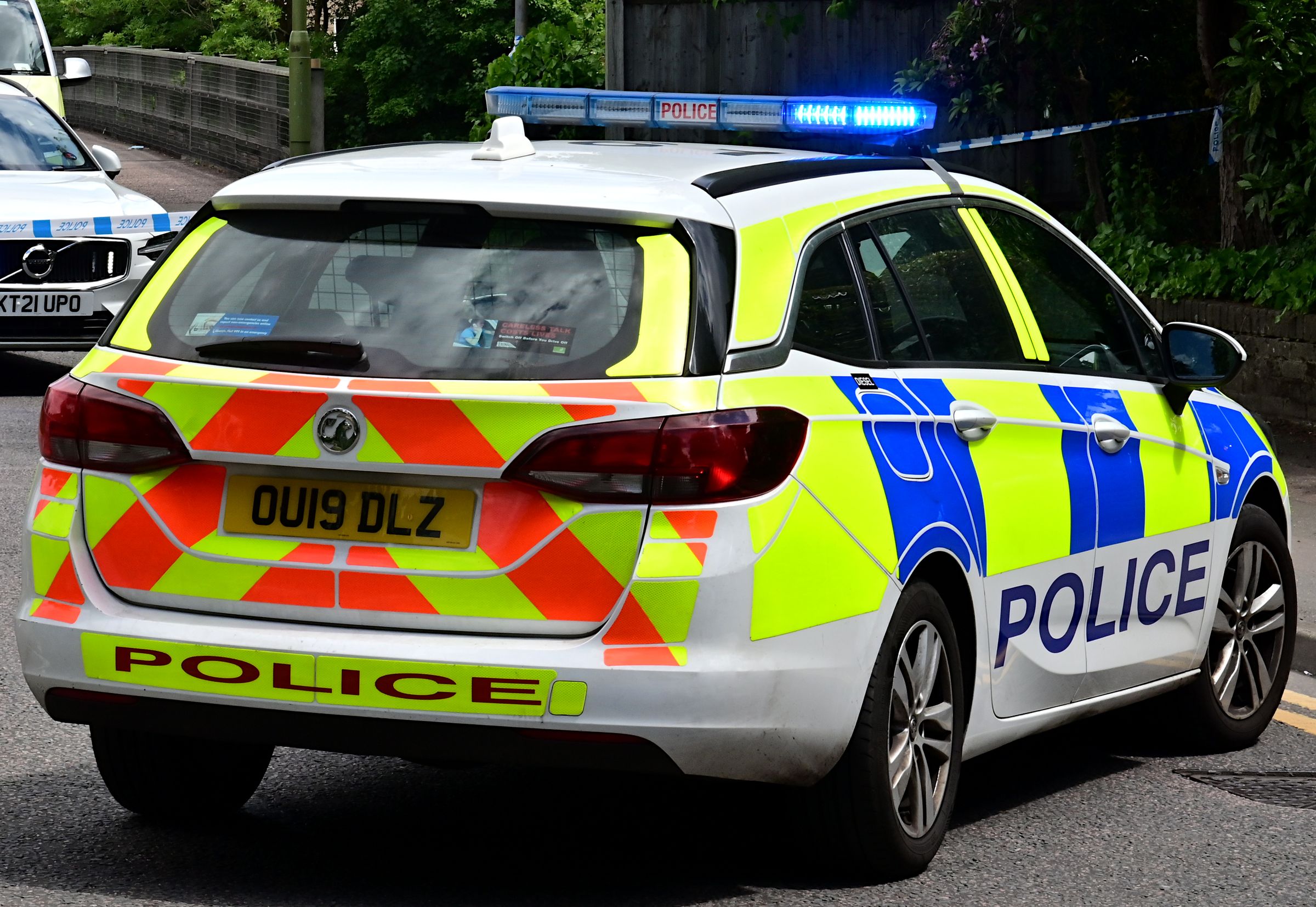
Essex Police-Fire merger credited for £4.5m new station
Combined fire and police governance credited with cheaper, modern facility
Dovercourt Police Station opened as Essex Police’s first new station in 17 years, a £4.5m project made possible by a governance arrangement that has merged fire and police oversight in the county since 2017. Roger Hirst, the county’s Police, Fire and Crime Commissioner, attributes that figure directly to the decision to build on spare land belonging to the fire service rather than on a standalone site.
Hirst described the cost as a bargain when set against the £7.5m spent on the force’s previous building, Great Dunmow Police Station. That station, he noted, was somewhat larger but suffered from rigidity, with no flexibility in how its space could be used. His office holds the combined mandate for both services, a structure created in 2017 that he says has saved more than £20m so far. The shared site in Dovercourt, he added, allows the two services to use communal facilities together and to work in what he called friendship.
Additional reference context is available at https://www.bbc.co.uk/news/articles/cm89zy9x3pwno.
The new station sits on land that previously housed the fire service station commander’s house, and it replaces the old Harwich station 1.5 miles (2.4km) away. Stuart Austin, the district commander for Tendring, said the location allows officers to get down into Harwich quickly while also being strategically placed near the A120, making places in north Tendring more easily accessible.
What changed, in Hirst’s framing, is a broader reassessment of how police estates serve modern operations. “The old police stations that we’ve had aren’t really fit for purpose anymore; they’re designed for an old-fashioned policing style,” he said. “This is modern; it’s got all the tech in it that we need to have. They’ll be able to use this on a much more flexible basis than they would.” Policing, he argued, has changed enormously over two decades, with officers now able to send back data while remaining on patrol rather than returning to a desk to write things down.
The station’s design reflects the same policy choices that led the force to scale back its public-facing estate. Dovercourt has no front counter; instead, members of the public can make 101 calls through a yellow phone at the front of the building. Last year, Essex Police closed half of its station front desks after figures showed that, in January, only 203 of 6,703 visitors reported new crimes or intelligence. Hirst called front counters a bit of an old-fashioned concept and said the 101 system has improved following massive investment. “Who is ever happy when they’re told they’re having something taken away?” he said. “I really don’t want a police officer sitting, waiting behind a counter for nothing to happen when they could be out patrolling with the public.”
Chief Constable Rachel Nolan also defended the closures, telling the BBC that many public queries were not related to policing. “We decided that actually it would be far better to have our police out and about where we need them,” she said. The force has also introduced a chatbot, Bobby, which now handles about half of all queries without a human, and Nolan said feedback has been really positive.
For the officer responsible for day-to-day delivery in the district, the accountability question comes down to visibility. Austin acknowledged that policing and crime have become more complex and more online, but reaffirmed his commitment to Bobby’s on the Beat. “Essex Police will always be a force which wants to have visible policing in our communities,” he said. “At the end of the day, people like seeing a police officer; people like seeing officers on patrol, whether that’s on foot or in vehicles.”
Whether the merged oversight model that delivered Dovercourt at £3m less than its predecessor becomes a template for future estate projects elsewhere remains an open question for commissioners watching Essex’s savings.
Q&A
Who holds the combined mandate for fire and police services in Essex?
Roger Hirst, the county's Police, Fire and Crime Commissioner, whose office has held the combined mandate since the 2017 merger.
How much did the Dovercourt station cost compared with its predecessor?
Dovercourt cost £4.5m, about £3m less than the £7.5m Great Dunmow Police Station, which was somewhat larger but had inflexible space.
Why did Essex Police close half of its station front desks?
Figures showed that in January only 203 of 6,703 visitors reported new crimes or intelligence, and Hirst and Chief Constable Rachel Nolan argued officers are better deployed on patrol than behind counters.
Where is the new station located and what does it replace?
It sits on land that previously housed the fire service station commander's house, replacing the old Harwich station 1.5 miles (2.4km) away, with quick access to Harwich and the A120 for north Tendring.