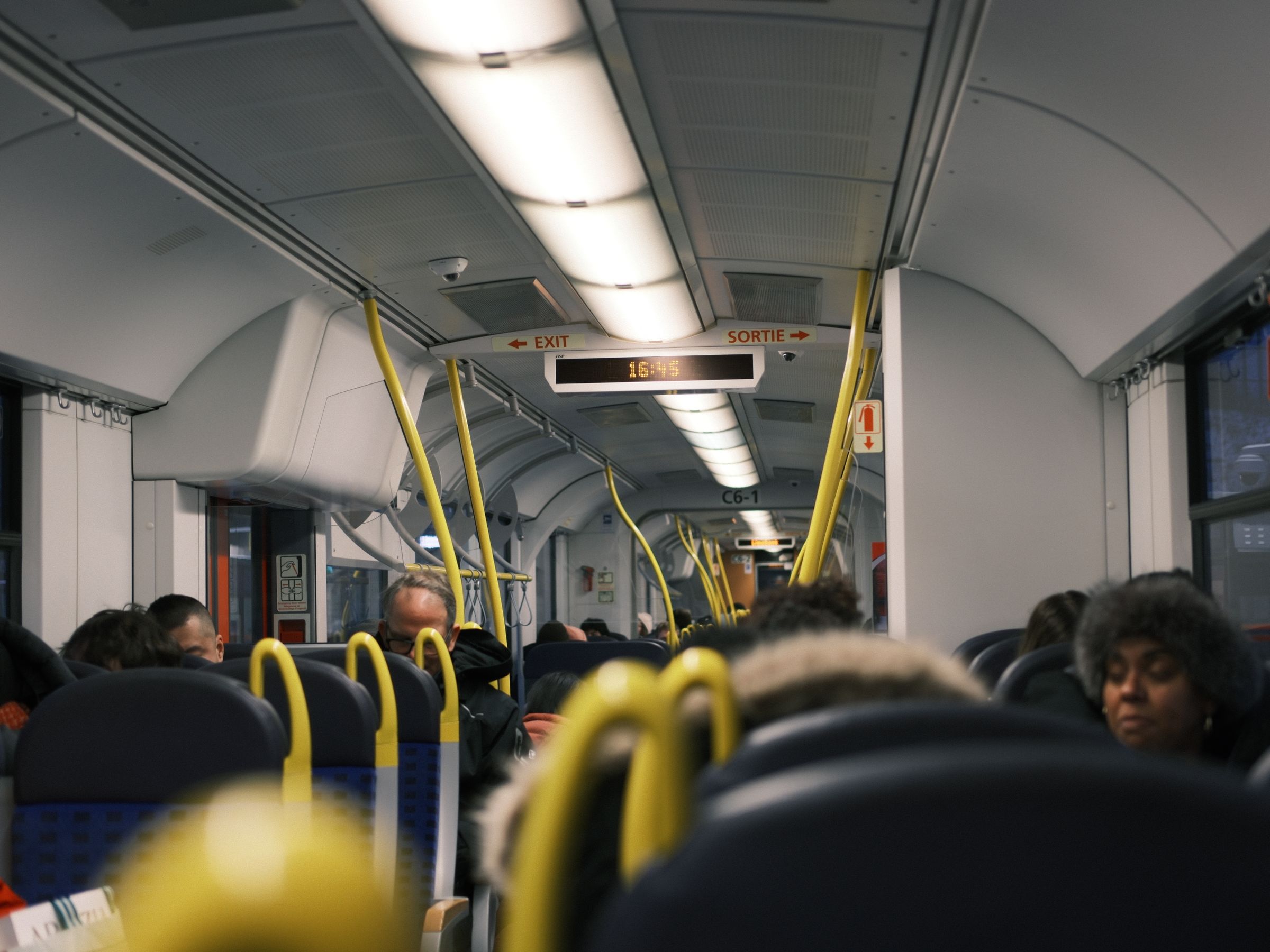
Bus safety charter moves from pledge to delivery
Operators, councils and police asked to put bus safety commitments into practice
Eleven million bus journeys a day, and a new industry charter to keep them safe. The Confederation of Passenger Transport (CPT) has launched a practical framework for tackling anti-social behaviour and violence against women and girls, one that operators, councils and police are being asked to put into effect on the ground.
Unveiled last week in parliament, the charter sets out concrete delivery measures: better training for drivers, making good use of CCTV to help police identify offenders, and intelligence-sharing so operators, councils and police can nip problems in the bud. Much of this, according to Alex Mayer MP, is stuff bus and coach operators can get on with delivering themselves.
Mayer, who joined CPT for the launch, noted that Transport Focus research shows eight in 10 passengers feel safe on board, but a handful of troublemakers can spoil things for everyone else. Operators raise this with him often, he said, particularly the importance of supporting drivers and frontline staff when incidents occur. “It’s good stuff,” he wrote of the charter’s commitments, adding that there are already good ideas to build on. In the West Midlands, for example, passengers can discreetly report anti-social behaviour by text.
The delivery picture, though, is uneven. A few areas have dedicated transport safety officers; very many do not. Mayer argues the new powers need to work on a bus in a market town, not just in the biggest cities. Above all, he sees the charter as about building confidence so more people hop aboard, with an easy way to report problems and action that follows. The charter also arrived in the same week the prime minister got tough on so-called “headphone dodgers”, a type of anti-social behaviour many constituents raise, which Mayer welcomed.
Meanwhile, Elsie Blundell MP brought the passenger experience into sharper focus. For far too many women and girls, being constantly “on guard” has become a routine part of travelling: choosing where to sit, keeping a phone close at hand, thinking twice about travelling alone after dark. Nearly one in three women experienced sexual harassment on public transport in the previous 12 months, and among women aged 18 to 34, that rose to 54%.
Blundell welcomed the charter’s commitments to promote an environment where unacceptable behaviour is challenged, victims feel supported, and better data is collected to understand the scale of the problem. But she argued that reporting an incident can currently mean navigating a confusing mishmash of systems, with support varying considerably depending on where in the country you live. Alongside the charter, she backs a simple, national digital reporting system for all forms of harassment, crime and anti-social behaviour on public transport, something ministers are looking into. The principle is simple: wherever you are, one clear, recognisable way to report a problem and seek help. A live chat function could connect passengers directly with local transport safety teams or police, offering advice and reassurance while they are still travelling. Emergencies would still mean calling 999. As Blundell put it, this is not about creating a great new bureaucracy, but joining up existing systems and making them work better for passengers.
Greater Manchester is already showing what delivery looks like. Its TravelSafe Partnership brings police and operators together, with a 24/7 LiveChat service launched last October by the then mayor Andy Burnham, allowing passengers and staff to discreetly report incidents in real time. It is precisely the kind of practical solution, Blundell argued, that should be rolled out across the country.
The full argument is set out in the original commentary at https://www.politics.co.uk/2026/11/nobody-should-be-made-to-feel-unsafe-on-our-buses/. The charter is a welcome commitment from industry, but the next stop, as both MPs make clear, is one recognisable national digital reporting system on public transport. Eleven million people catch the bus every day, and every single one deserves to feel safe.
Q&A
Who launched the charter and where was it unveiled?
The Confederation of Passenger Transport (CPT), unveiled in parliament last week, asking operators, councils and police to put measures into effect.
What concrete delivery measures does the charter include?
Better training for drivers, making good use of CCTV to help police identify offenders, and intelligence-sharing between operators, councils and police.
What solution does Elsie Blundell MP propose alongside the charter?
She backs a simple national digital reporting system for harassment, crime and anti-social behaviour on public transport, with a live chat function connecting passengers to local transport safety teams or police; emergencies would still mean calling 999.
How is Greater Manchester already delivering on transport safety?
It brings police and operators together and includes a 24/7 LiveChat service launched last October by then mayor Andy Burnham, letting passengers and staff report incidents in real time.